
In Stock
Aspen (Quaking Aspen)

Planting & Care
Aspens thrive in sunny Middle Tennessee spots with moist, well-draining soil. To give your bare root tree the best start, dig a hole twice as wide as the roots and keep them moist during planting. Space trees about 15 feet apart to allow for their unique spreading habit. Deep, regular watering is the simple key during the first few growing seasons until the root system is firmly established.
Best Uses
The Aspen is a standout choice for natural screening or as a reassuring focal point in a larger Tennessee yard. It shines most where you can appreciate its striking white bark and the way its leaves shimmer in the slightest breeze. Their fast-growing nature makes them great for homeowners looking to create a quick sense of established landscape and beauty.
Species Info
Commonly called Quaking Aspen, this tree is famous for its vibrant white bark and heart-shaped leaves that flutter beautifully in our local wind. It typically grows to a height of 40-50 feet. It is incredibly cold hardy and performs well in the rolling hills of Middle Tennessee, providing a dependable and iconic silver-and-green profile for your land.
In Stock
Bald Cypress

Planting & Care
The Bald Cypress is famously tough and adaptable. While it loves wet spots, it grows beautifully in regular Middle Tennessee lawns too. Choose a spot with full sun for your bare root tree. It handles our local heavy clay soils with ease. Water consistently during the first few growing seasons to ensure it becomes firmly established in your landscape.
Best Uses
This species is a natural problem-solver for damp areas or low spots near pond edges. Its unique, pillar-like pyramidal shape makes it a striking specimen for large open spaces. It provides a soft, fine-textured look for homeowners wanting something a bit different from the standard local oaks and maples.
Species Info
The Bald Cypress is a unique 'deciduous conifer'—it looks like an evergreen but drops its needles in winter. In autumn, the soft needles turn a beautiful rusty copper color. It grows to a stately 50-70 feet. It is a reassuringly long-lived choice that adds a touch of classic southern elegance to any Middle Tennessee property.
In Stock
Beech (American Beech)

Planting & Care
American Beeches prefer deep, rich, and well-drained soil typical of Middle Tennessee homesteads. They thrive in full sun but appreciate light shade in their youth. Because they are sensitive to root disturbance, choose your spot carefully and keep the area around the base mulched. Water consistently during dry spells for the first few seasons to ensure successful establishment.
Best Uses
This is the ultimate grand shade tree for a large legacy yard. It provides a massive canopy for summer cooling and features beautiful, smooth silvery bark that adds architectural interest to your landscape during the winter months. It's a wonderful choice for wildlife and creates a timeless feeling on any property.
Species Info
The American Beech (Fagus grandifolia) is a slow-growing giant that can live for centuries. It typically reaches 60-80 feet with a massive spread. It's famous for its exceptionally smooth, gray bark and foliage that turns a brilliant golden bronze in autumn, often holding onto its leaves through much of the winter for extra privacy and texture.
In Stock
Gum (Sweet Gum)

Planting & Care
Sweet Gums are hardy and adapt beautifully to Middle Tennessee clay. For the best start, plant your bare root tree in a spot with full sun. It is a tough, dependable species, but we suggest watering it immediately after planting and keeping the roots moist as it settles into your yard.
Best Uses
This species truly shines when you want exceptional fall color, offering a stunning mix of vibrant reds and purples. It grows tall and full, making it a great choice for large-scale screening and providing deep, restful shade in more spacious yards.
Species Info
Known for its unique star-shaped leaves and spiky seed pods, the Sweet Gum reaches an impressive 60-75 feet and has a rapid growth habit. Once established in our local Tennessee soil, it quickly becomes a dependable pillar of your home landscape.
In Stock
Ginko Biloba

Planting & Care
The Ginko is a reassuringly tough legacy tree. When planting your bare root Ginko in Middle Tennessee, choose a spot with full sun. It handles our local clay soil beautifully. Dig a hole twice as wide as the root mass to allow the thick roots to settle. Consistent watering during its first few Tennessee summers is all it needs to become a dependable pillar of your landscape.
Best Uses
Known as a 'living fossil,' the Ginko is a standout specimen for any legacy yard. It provides excellent, cooling shade and has incredible resistance to local pests and diseases. Homeowners love it for its unique fan-shaped leaves that turn a brilliant, uniform gold in the fall, creating a stunning focal point on any Tennessee property.
Species Info
The Ginko Biloba is an ancient deciduous giant, typically reaching 50-70 feet in height. It is famous for its fan-shaped foliage and stately pyramidal habit that becomes more rounded as it matures. It is one of the most reliable and long-lived trees you can plant in Middle Tennessee, offering a timeless sense of permanence.
In Stock
Red Maple

Planting & Care
Red Maples are adaptable favorites for Middle Tennessee landscapes. When planting your bare root tree, ensure the spot has moist, well-draining soil and plenty of sun. They prefer slightly acidic conditions, so mulching with pine needles or bark can help keep the roots cool and the soil pH balanced. Water your new tree deeply and consistently during the first two summers to help its root system firmly establish in our local clay.
Best Uses
The Red Maple is the definitive choice for homeowners desiring a dependable shade tree with spectacular seasonal interest. It serves as a stunning focal point in any yard, offering lush summer shade and a brilliant crimson display in autumn. Its moderate growth rate and height make it an excellent fit for residential lawns, providing natural beauty and cooling relief for generations to come.
Species Info
Red Maple (Acer rubrum) is a classic native deciduous tree that typically reaches 40-60 feet in our region. Named for the vibrant red flowers that appear in early spring and its iconic, fiery-red fall foliage, it is one of the most beloved landscape trees in Middle Tennessee. A sturdy and reliable species, it quickly becomes a majestic pillar of any local home landscape, supporting local birds and providing a reassuring presence through the years.
In Stock
Silver Maple

Planting & Care
Silver Maples love the sun and tolerate our Middle Tennessee clay quite well. For your bare root tree, choose a spot with plenty of room for its vigorous growth. When planting, dig the hole twice as wide as the root mass to help it settle. Deep, regular watering during the first few seasons is the simple secret to helping this fast-grower establish a strong foundation in our local soil.
Best Uses
This is the ultimate choice for homeowners seeking quick, reliable shade. It works beautifully as a standalone specimen or to create a natural privacy screen. The silver undersides of its leaves shimmer beautifully in our local breezes, providing a calming and iconic focal point that defines a sense of place on any Tennessee property.
Species Info
The Silver Maple (Acer saccharinum) is a majestic, fast-growing native tree that can reach a mature height of 50-80 feet. It is famous for its deeply lobed green leaves with striking silver-white undersides and its stately, upright habit. A hardy and dependable resident of the Tennessee landscape, it is a reassuring investment for generations of summer cooling.
In Stock
Sugar Maple

Planting & Care
Sugar Maples need a bit of patience and the right spot in Middle Tennessee. Choose a sunny or partly shaded area with well-draining soil. For your bare root tree, it's vital to keep those roots moist until the moment they go in the ground. Dig a hole twice as wide as the roots and plant at the same depth they grew in the nursery. Deep, regular watering during our hot Tennessee summers is the key to helping this young tree establish its majestic root system.
Best Uses
The Sugar Maple is a legacy provider for any Tennessee lawn. It's the gold standard for cooling summer shade and spectacular fall color that ranges from gold to fiery orange-red. It’s perfect as a single specimen tree or as a boundary marker for a large property where its broad canopy can fully stretch and provide a graceful, restful place to gather.
Species Info
Commonly known for its sweet sap and beautiful wood, the Sugar Maple is a hardy native that typically grows 60-75 feet tall. While it grows slowly, it is exceptionally long-lived and sturdy. In Middle Tennessee, its dense foliage and iconic leaf shape make it a dependable and majestic pillar of the landscape that truly shines as the seasons change.
In Stock
Burr Oak
Planting & Care
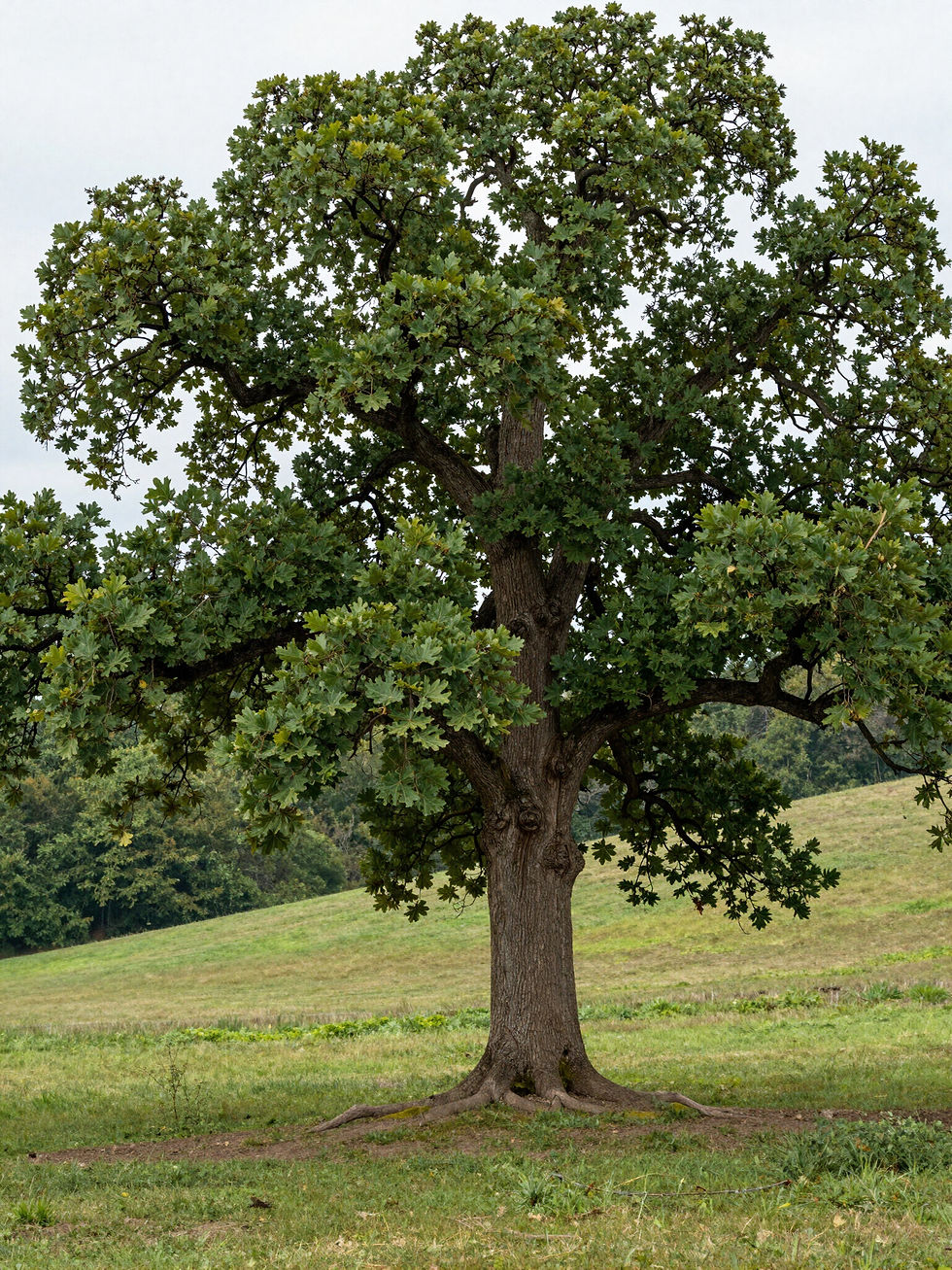
Burr Oaks are incredibly rugged and well-suited to Middle Tennessee's heavy clay and limestone soils. When planting your bare root tree, choose a spot with full sun and deep soil. Dig a hole twice as wide as the root system to encourage lateral growth. Mulch heavily to retain moisture and water deeply once a week during the first two hot Tennessee summers until the taproot is firmly established.
Best Uses
The Burr Oak is the ultimate legacy shade tree for any Tennessee property. Its massive, spreading canopy provides deep, cooling relief from summer heat, while its thick, corky bark creates architectural interest in winter. Because of its extreme longevity and resistance to pests and drought, it is a reassuring investment for homeowners building a landscape for future generations.
Species Info
The Burr Oak (Quercus macrocarpa) is a slow-to-moderate grower reaching 70-80 feet in height with a similarly massive spread. It is famous for its fringed acorn caps and unique, rounded leaves that turn a soft yellow-brown in fall. A true titan of the local landscape, it stands strong against storms and is one of the most rugged and dependable oaks for Middle Tennessee soil.
In Stock
Pin Oak

Planting & Care
Pin Oaks are fast-growing favorites that love the moist, slightly acidic soil common in some Middle Tennessee pockets. When planting your bare root tree, choose a sunny spot with plenty of room. Dig your hole twice as wide as the root spread to help it settle into our local soil. Water deeply and regularly during its first few Tennessee summers, especially during the dry July and August heat, to ensure a strong start.
Best Uses
This is the definitive choice for quick, cooling shade and a striking pyramidal silhouette. It works beautifully as a specimen tree in large lawns where its lower branches can gracefully sweep the ground. Known for its spectacular, reliable deep red fall color, it's a perfect legacy tree for Tennessee homeowners who want a fast-growing, long-lived hardwood.
Species Info
The Pin Oak (Quercus palustris) is distinguished by its unique branching habit—upper branches point up, middle go out, and lower branches weep down. It typically reaches 60-70 feet and is highly valued for its rapid growth rate and tolerance for heavy clay. Once established, it becomes a majestic, stately anchor for any Middle Tennessee landscape.
In Stock
Post Oak

Planting & Care
The Post Oak is incredibly reassuring because it is built for our tough Middle Tennessee conditions. When planting your bare root tree, choose a spot with full sun and well-draining soil. It is remarkably drought-tolerant once established, but give it deep, regular watering through the first few summers to ensure it settles into its new home.
Best Uses
The Post Oak is the perfect choice for homeowners with rocky or poor soil where other trees struggle. It provides deep, cooling shade and creates a stately, rugged presence in any yard. It is a long-lived legacy tree that offers excellent cover and food for local wildlife, standing strong against our local storms.
Species Info
The Post Oak (Quercus stellata) is a sturdy native species known for its unique 'cross-shaped' leaves and thick, blocky bark. It typically reaches a mature height of 40-50 feet. It is one of the hardiest oaks available, thriving in the rolling hills and varied elevations of our local area with very little maintenance once established.
In Stock
Red Oak

Planting & Care
Red Oaks thrive in Middle Tennessee spots with full sun and well-draining soil. When planting your bare root tree, keep the roots protected from drying out. Dig a hole twice as wide as the root mass to allow for easy lateral expansion in our local clay. Deep, consistent watering during the first two summers is the reliable key to helping this fast-growing hardwood establish a deep root system.
Best Uses
The Red Oak is the definitive choice for homeowners desiring quick, cooling shade and a majestic landscape presence. Its broad canopy provides a restful gathering spot, while its spectacular, reliable crimson fall color defines the season. It is a sturdy, long-lived hardwood that handles our local storms and provides natural beauty for generations on any Tennessee property.
Species Info
The Northern Red Oak (Quercus rubra) is a native titan, typically reaching 60-75 feet in height. It is famous for its exceptionally fast growth rate among oaks and its iconic, pointed leaves. A cornerstone of the local ecosystem, it supports native birds and stand as a reassuringly strong and dependable pillar of the Middle Tennessee landscape for centuries.
In Stock
Water Oak

Planting & Care
Water Oaks are exceptionally resilient and adapt well to the varied moisture levels in Middle Tennessee. Choose a spot with full sun. While they naturally love low-lying damp areas, they are surprisingly drought-tolerant once established. Regular watering during the first few growing seasons helps ensure a strong start in our local soil.
Best Uses
A fast-growing favorite for residential properties in our rolling hills. It serves as an excellent shade tree, providing a dense canopy that cools the home effectively. Its ability to thrive in wetter soil makes it a practical solution for parts of the yard where other trees might struggle, providing privacy and structure.
Species Info
The Water Oak (Quercus nigra) is recognized by its rounded, spoon-shaped leaves and dark gray bark. It typically reaches a height of 50-80 feet. It is a quick-establishing species that provides reliable performance across Middle Tennessee landscapes, making it a dependable choice for homeowners.
In Stock
White Oak

Planting & Care
White Oaks are remarkably hardy and dependable for Middle Tennessee homesteads. They thrive in deep, well-drained soil and prefer full sun positions. When planting your bare root tree, keep the soil consistently moist during its first two growth cycles. It is a slow and steady grower, but once established, it is one of the most drought-resistant oaks for our local climate.
Best Uses
This is the ultimate legacy tree for a large yard. It provides a massive, high-arching canopy that offers deep, cooling shade for generations. It is also an essential species for supporting Tennessee's local ecosystem, providing high-quality food for a wide variety of native wildlife and birds.
Species Info
The White Oak (Quercus alba) is distinguished by its light gray bark and rounded-lobed leaves that turn a soft wine-red to brownish-purple in autumn. It reaches a majestic maturity of 50-80 feet in height with a similar spread. A cornerstone of the local landscape, it is a reassuringly strong and long-lived choice.
In Stock
Willow Oak
Planting & Care
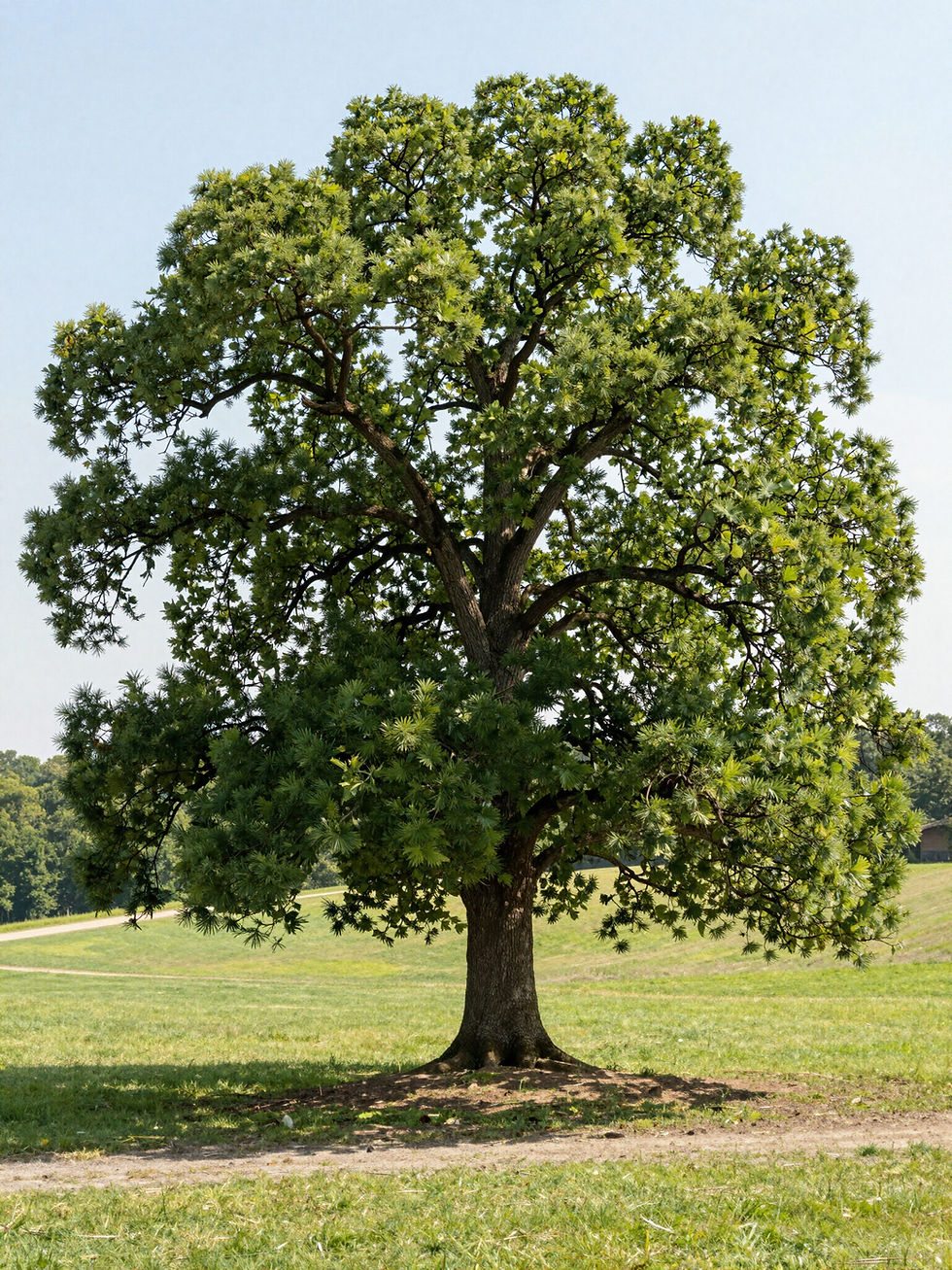
Willow Oaks are exceptionally reliable growers in Middle Tennessee. When planting your bare root tree, choose a spot with full sun and moist, well-draining soil. While they handle clay well, they appreciate extra organic matter in the planting hole. Dig your hole twice as wide as the root spread and keep it consistently watered during the first few hot Tennessee summers to help it establish a robust root system.
Best Uses
The Willow Oak is a premier choice for residential shade, offering a dense canopy for cooling your Middle Tennessee home in summer. Its fast growth rate and elegant, narrow leaves make it a stunning specimen tree for large lawns. Because of its adaptability and transplant success as a bare root tree, it is a practical pick for new homesteads looking for rapid, stately results.
Species Info
The Willow Oak (Quercus phellos) is a majestic native shade tree reaching 40-60 feet with a beautiful, symmetrical rounded crown. It is unique for its willow-like, long, narrow leaves that turn yellow or bronze in the fall. A cornerstone of the local ecosystem, it is rugged, long-lived, and a reassuringly dependable hardwood for any Middle Tennessee property.
In Stock
Lombardy Poplar

Planting & Care
Lombardy Poplars are incredibly fast growers that love the sun. When planting your bare root tree, choose a spot with full exposure. They have a thirsty root system, so consistent and plentiful watering is essential, especially during the hot Middle Tennessee summers. They settle in quickly and don't mind our heavier soils as long as they stay hydrated.
Best Uses
This species is the ultimate choice for creating quick living fences and tall boundary markers. Because it grows so thin and straight, you can plant them closely together to form a beautiful, rustling privacy screen in a very short amount of time. It's a practical and elegant solution for defining property lines or blocking unwanted views.
Species Info
The Lombardy Poplar is famous for being one of the fastest-growing trees available. It features a unique, narrow upright habit, reaching heights of 40-50 feet while maintaining a width of only about 10 feet. Its fluttering green leaves turn a golden yellow in the autumn, adding a vertical architectural element to your Tennessee landscape.
In Stock
Loblolly Pine

Planting & Care
Loblolly Pines are exceptionally fast growers that adapt beautifully to Middle Tennessee homesteads. When planting your bare root tree, keep the roots moist right up until they are in the ground. Choose a sunny spot with plenty of room for their expansive height. Dig a hole twice as wide as the root mass to help them settle into our local clay, and water deeply during the first two hot Tennessee summers.
Best Uses
This pine is the ideal choice for creating rapid natural privacy screens or tall windbreaks on large properties. Because it grows so quickly, it is a practical solution for homeowners wanting to establish a mature landscape look in a short time. Its stately form provides year-round vertical interest and critical habitat for local Middle Tennessee wildlife.
Species Info
The Loblolly Pine (Pinus taeda) is a native giant of the American South, typically reaching heights of 60-90 feet. Known for its long green needles in clusters of three and distinctive reddish-brown bark, it is one of the hardiest and most dependable evergreens you can plant in our area. It remains a reassuringly steadfast and fast-growing anchor for any Tennessee landscape.
In Stock
Virginia Pine

Planting & Care
Virginia Pines are exceptionally hardy and thrive in the red clay soil of Middle Tennessee. For bare root specimens, select a location with full sun and adequate drainage. Dig a planting hole twice the width of the root spread and maintain consistent moisture through the first two growing seasons. Mulching around the base is essential to protect the roots and retain moisture during our hot summers.
Best Uses
This native pine is the ideal choice for creating dense, year-round privacy screens and effective windbreaks on Tennessee properties. Its rustic, scrubby habit provides excellent cover for local songbirds and wildlife. It is also highly effective for stabilizing slopes and preventing erosion, adding a classic wooded character to any homestead or farm landscape.
Species Info
The Virginia Pine (Pinus virginiana) is a sturdy, medium-sized evergreen that typically reaches heights of 30 to 60 feet in our region. It is characterized by short, twisted needles appearing in pairs and persistent, prickly cones. Remarkably adaptable to poor or rocky soils, it remains a steadfast and low-maintenance pillar of the Middle Tennessee landscape for generations.
In Stock
Sycamore

Planting & Care
American Sycamores are rugged and fast-moving bare root trees. For middle Tennessee yards, plant them in full sun and ensure they have deep, rich soil. They love moisture, so planting near low spots or providing regular deep soakings during the first few years is essential for a sturdy start. Give them wide spacing (at least 40 feet) to accommodate their massive final spread.
Best Uses
The Sycamore is the ultimate choice for rapid shade in large, open landscapes. It shines as a majestic centerpiece on farmsteads or long driveways where its striking white-and-tan camouflaged bark adds drama even in the dead of winter. It's a reliable choice for erosion control near creek banks and creates an instant sense of permanence on any homestead.
Species Info
American Sycamores (Platanus occidentalis) are one of the fastest-growing native canopy trees, reaching heights of 75-100 feet. They are easily identified by their broad, maple-like leaves and unique exfoliating bark that reveals a smooth, bone-white inner layer. These trees are exceptionally long-lived and become a reassuring landmark for generations to come.
In Stock
Black Willow

Planting & Care
Black Willows are nature's moisture-seekers, making them perfect for those damp or low-lying areas of your Middle Tennessee property. Plant your bare root tree in full sun where the soil naturally stays moist. They settle in quickly near creek banks or pond edges. Initial deep watering is key to helping their aggressive root system establish and begin its vital work in your landscape.
Best Uses
This is the definitive choice for erosion control along water features or steep, wet banks. It provides rapid, cooling shade and functions as a critical shelter for local Tennessee wildlife. Its fibrous root system acts as a natural anchor for your land, while its fine-textured foliage creates a soft, rustling privacy screen that feels right at home in a rural setting.
Species Info
Black Willow has upright, irregular branches and dark, deeply furrowed bark. Identified by its dark, deeply furrowed bark and long, slender green leaves, it is our largest native willow. With a lifespan up to 70 years, it provides a tough, moisture-seeking solution for Middle Tennessee pond edges and creek banks where others struggle.
In Stock
Weeping Willow

Planting & Care
Weeping Willows are fast-growing moisture-seekers that thrive near pond edges or damp Middle Tennessee low spots. When planting your bare root tree, choose a sunny location with plenty of room for its sweeping reach. Dig a hole twice as wide as the root mass to help it settle into our local soil. Consistent, deep watering during the first few summers is the reliable key to helping this young tree establish its majestic profile.
Best Uses
This iconic species is the definitive choice for a romantic focal point, offering a graceful, drooping habit that adds high architectural interest to large open spaces. It serves as an excellent natural screen for privacy and provides rapid, cooling shade. Its unique silhouette creates a timeless, restful atmosphere on any Tennessee property, acting as a spectacular anchor for your home landscape.
Species Info
The Weeping Willow (Salix babylonica) is an Asian native recognized for its long, drooping branches and light, smooth bark. While it typically lives about 30-50 years, its extremely rapid growth makes it a rewarding choice for Middle Tennessee homeowners. It is famous for lance-shaped leaves that turn gold in fall, providing a stately silver-and-green profile that settles effortlessly into the local land.